Sectors
The requirement comes from the product, not from the equipment catalogue.
Each sector below sets out the requirements that shape a design, the applications we build, and where responsibility stays with your own quality, safety or production functions.
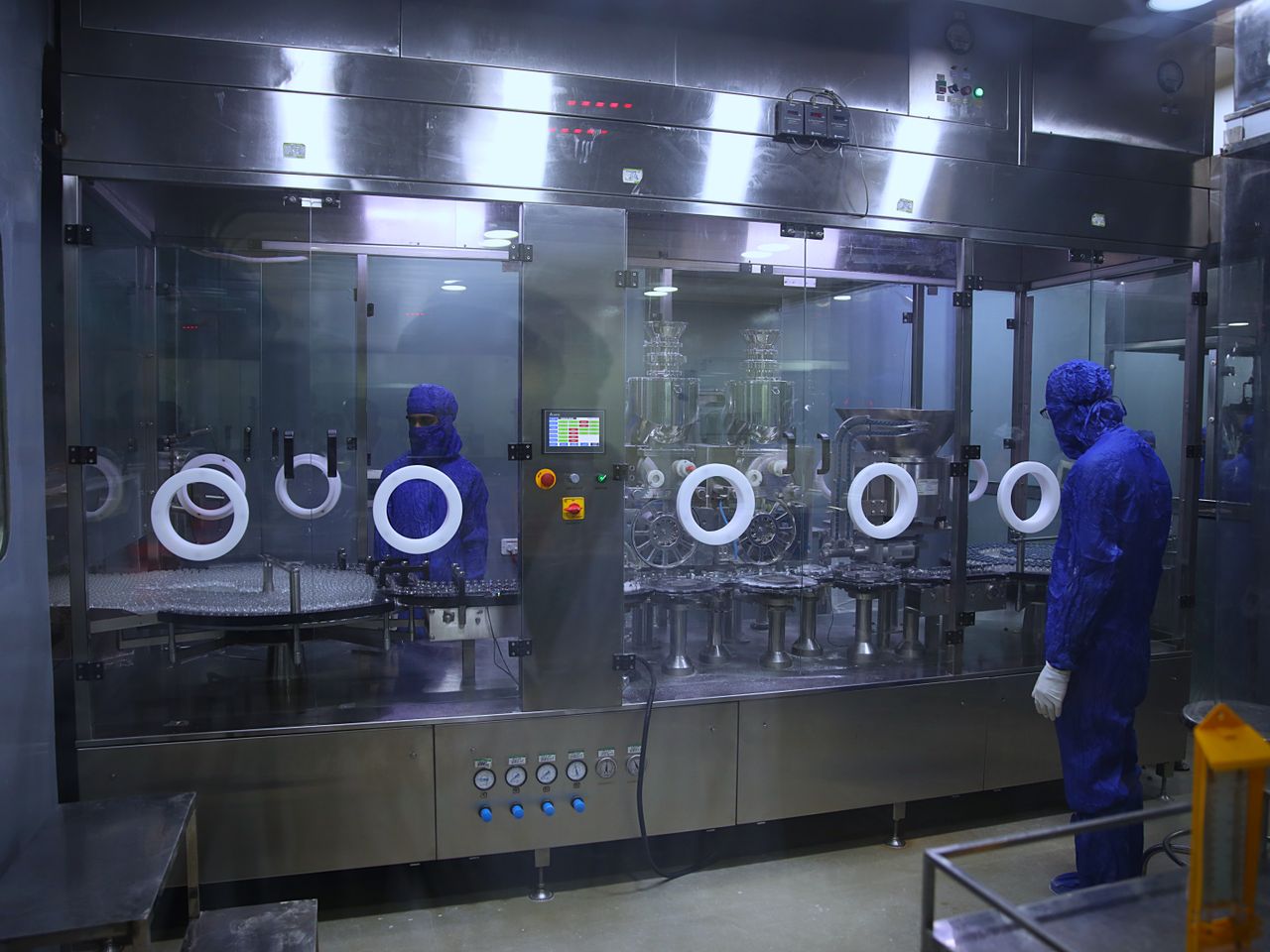
Fig. 11 / isolator line in a sterile manufacturing area
S-01
Pharmaceutical & biotechnology
Systems where cleanability, material traceability and documentation carry the same weight as process performance.
Requirements that shape the design
- Hygienic design with drainability and dead-leg control
- Material certification and weld traceability throughout
- Documentation structured for qualification review
- Change control applied from design freeze onward
Typical applications
- Buffer and media preparation
- Clean-in-place and sanitise-in-place systems
- Transfer, filtration and dosing skids
- Process water distribution loops
Qualification ownership stays with the customer's quality function; we supply the supporting documentation defined in the contract.
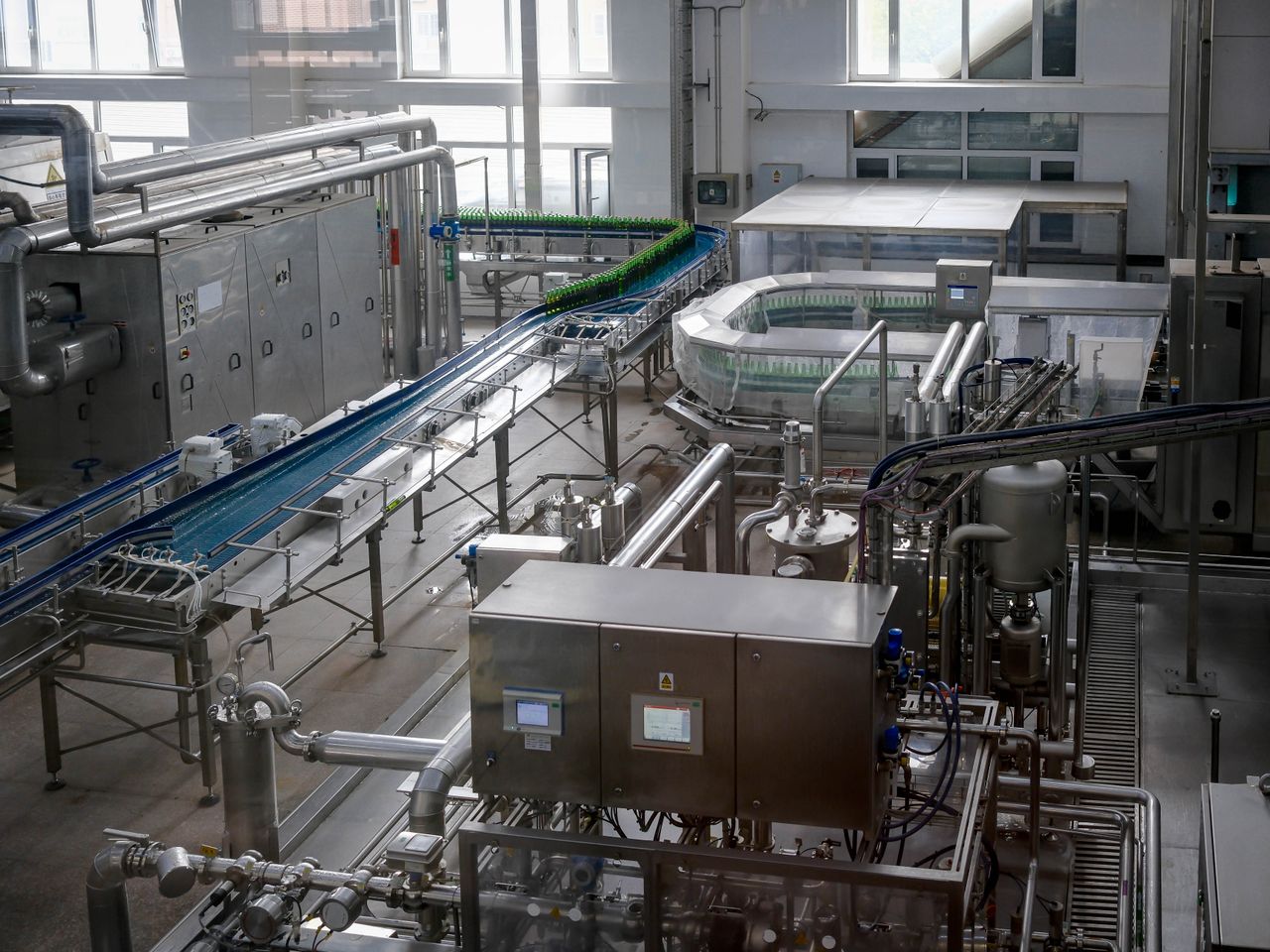
Fig. 10 / automated bottling line and conveyors
S-02
Food, beverage & nutrition
High-utilisation production where changeover time, cleaning cycles and yield decide whether a system is worth installing.
Requirements that shape the design
- Cleaning cycles designed around real production schedules
- Allergen and product-changeover segregation
- Thermal processing repeatability across batches
- Installation planned inside short shutdown windows
Typical applications
- Blending, dosing and inline standardisation
- Heat treatment and cooling circuits
- CIP sets and distribution
- Filling and packing line integration
Throughput and yield expectations are modelled from customer-supplied production data.
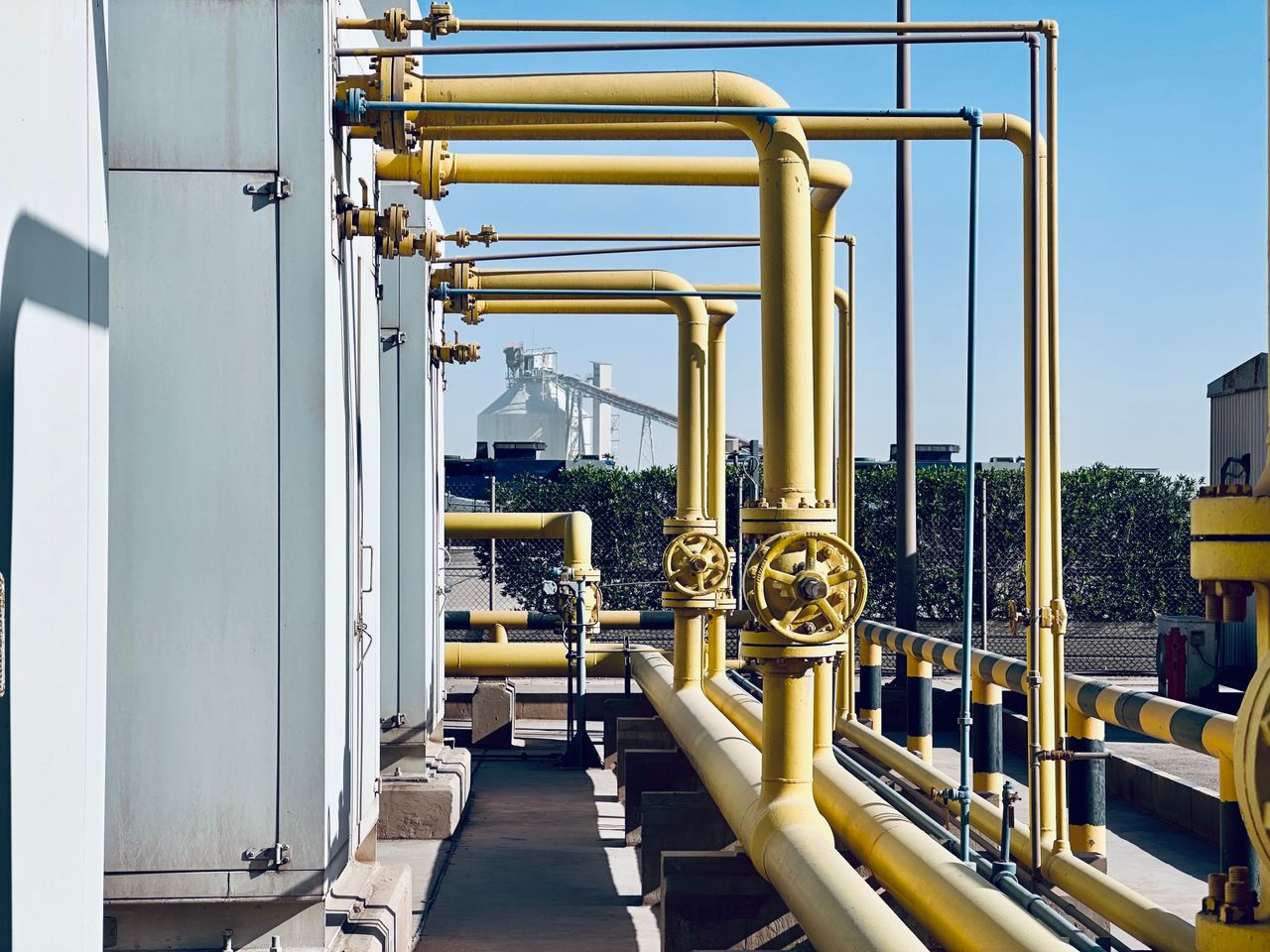
Fig. 12 / external process pipelines and manual valves
S-03
Specialty & fine chemicals
Reactive, viscous, abrasive or temperature-sensitive media where material selection and containment define the design.
Requirements that shape the design
- Material compatibility assessment per stream
- Containment, venting and relief philosophy
- Hazardous-area equipment selection where classified
- Interlocks and sequence control for safe operation
Typical applications
- Reactor charge and discharge systems
- Solvent handling and recovery circuits
- Heat transfer and temperature control units
- Metering, blending and packaging transfer
Process safety studies are conducted with the customer's own hazard-assessment process.
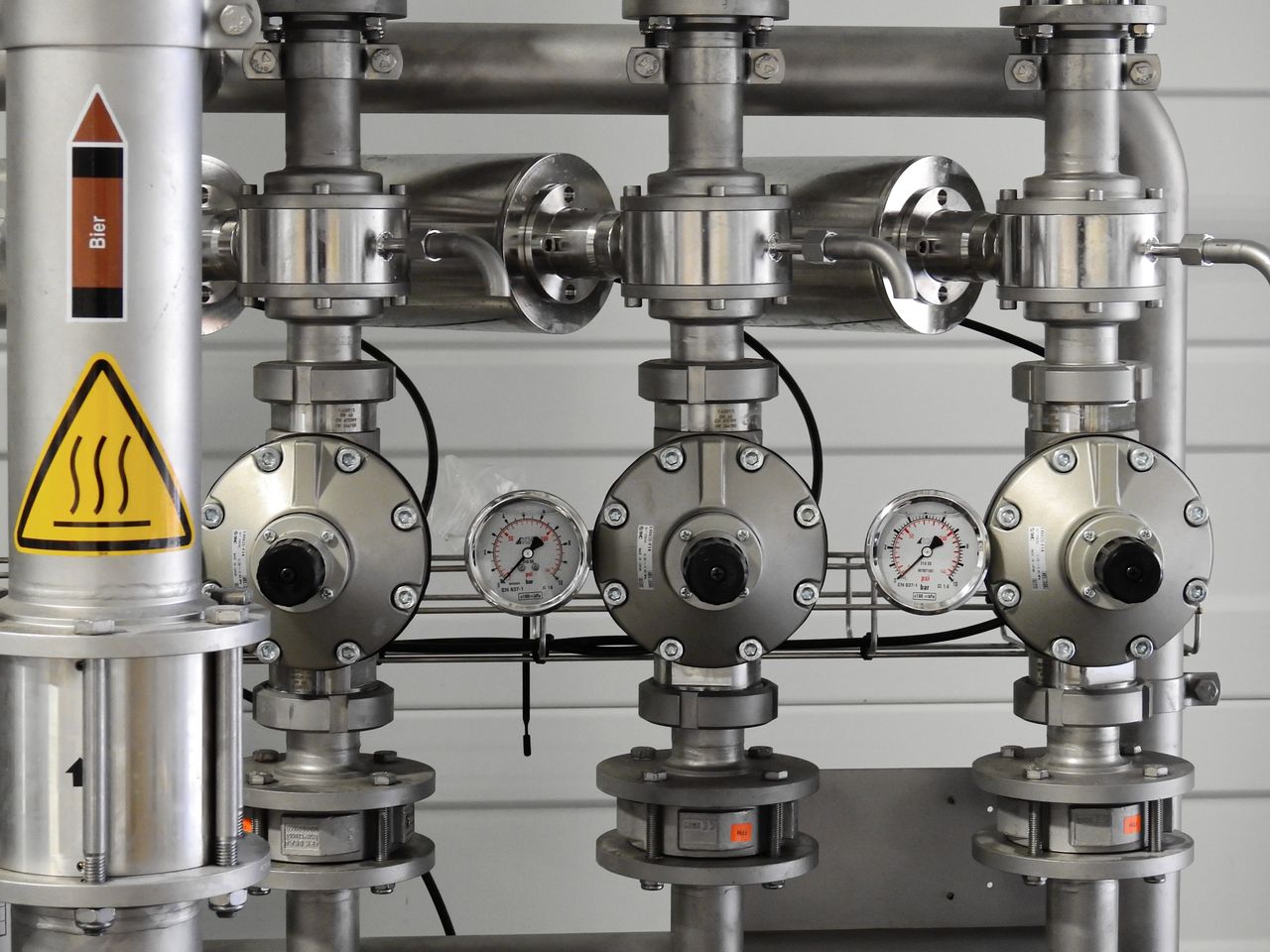
Fig. 08 / instrumented pipe manifold with isolation valves
S-04
Industrial water & process utilities
Utility systems that everything else depends on, where reliability, monitoring and maintainability matter more than novelty.
Requirements that shape the design
- Demand profiling before capacity is fixed
- Redundancy and maintenance isolation designed in
- Instrumentation and trending for operational visibility
- Energy and water recovery assessed where viable
Typical applications
- Process water treatment and distribution
- Heating, cooling and glycol circuits
- Compressed air and gas distribution
- Effluent handling and reuse
Efficiency outcomes are stated only where measurement before and after is part of the scope.
Outside these sectors
If the work is not a fit, we say so early.
Enquiries sometimes involve media, hazardous classifications, scale or site conditions that fall outside what we can responsibly take on. When that is the case we tell you during scope review rather than carrying the risk into a quotation, and where we can we point you toward the type of contractor better suited to it.
How a project runs